
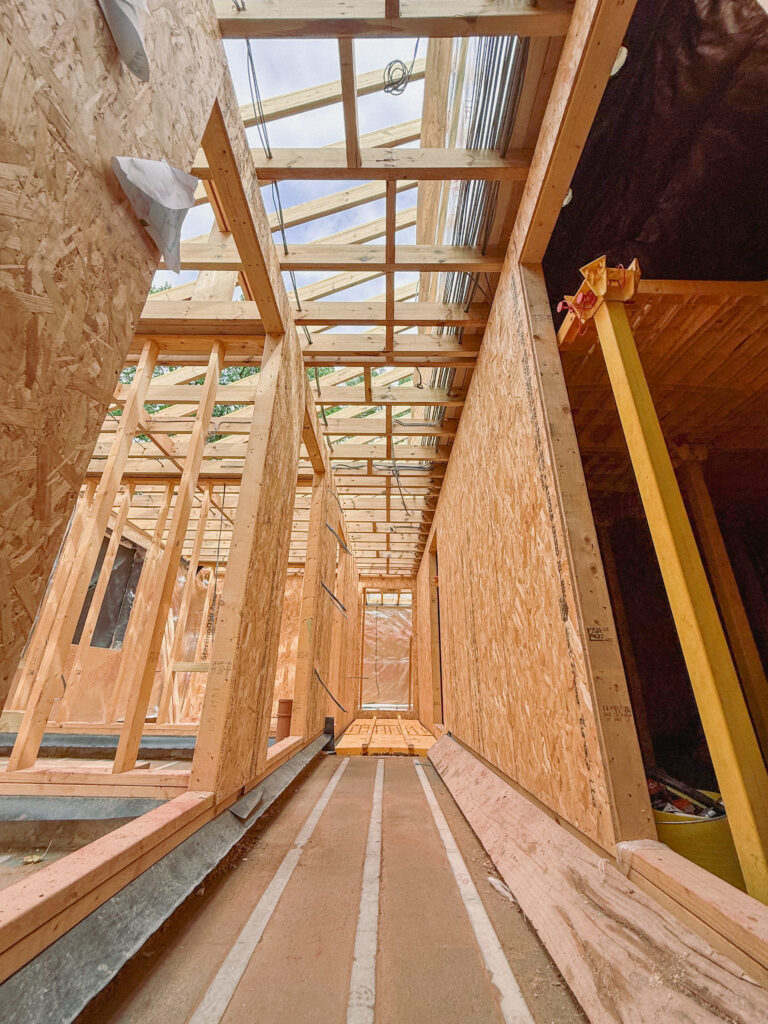
Timber is an exceptional construction material — strong, low-carbon, and versatile.
But its performance depends entirely on how and where it’s used.
That’s where timber use classes come in.
Use classes define the exposure conditions a timber element will face during its service life. Get them right, and timber performs reliably for decades. Get them wrong, and durability issues, rot, or premature failure are almost inevitable
What are timber use classes?
Timber use classes categorise timber based on moisture exposure and biological risk. In the UK and Europe, these are defined under BS EN 335, and they directly inform:
Whether timber needs preservative treatment
What level of treatment is required
Where a timber product can (and cannot) be used
Use Class 1 (UC1)
Heated, Indoor Environments
- Moisture content generally below 20%
- Example: internal floor joists, studs, roof members within the thermal envelope
- Typically no preservative treatment required
Use Class 2 (UC2)
Internal, Occasional Moisture Risk
Covered but unheated or intermittently damp spaces
Example: sole plates, floor joists over ventilated voids
Often lightly treated timber is specified
Use Class 3 (UC3)
External, above ground.
Exposed to weather but not in ground contact
Sub-divided into:
UC3a – coated/protected (e.g. cladding behind rainscreen systems)
UC3b – fully exposed (e.g. external joinery, balconies)
Requires appropriate preservative treatment
Use Class 4 (UC4)
External, ground or fresh-water contact
High moisture and biological risk
Example: posts, sleepers, ground-bearing structures
Requires heavy-duty treatment
Use Class 5 (UC5)
Marine environments.
Saltwater exposure.
Rare in housing but critical for coastal or marine structures.
Why Use Classes are So Important
1. Durability and longevity
Timber doesn’t “fail early” — it fails when it’s exposed beyond what it was designed for.
Use classes ensure the timber specification matches the real-world conditions.
2. Compliance and warranties
Structural warranty providers, building control and insurers expect timber to be specified and treated correctly. Incorrect use class selection can lead to:
Non-compliance
Warranty exclusions
Costly remedial work
3. Avoiding over-treatment
Not all timber needs heavy chemical treatment.
Using the correct class prevents unnecessary cost, environmental impact, and compatibility issues — particularly important in low-carbon construction.
4. Performance in modern buildings
With today’s airtight, highly insulated homes, moisture behaviour is more complex. Correct use class selection supports:
Moisture management
Vapour-open build-ups
Long-term structural performance
From a Timber Frame Perspective
Timber frame panels are precision-manufactured components, designed to perform for the full life of a building.
But even the best panel system will only perform as intended if the correct timber use classes are specified and respected.
In timber frame construction, use classes aren’t theoretical. They directly affect:
Panel durability
Warranty compliance
Site performance
Long-term structural risk
Understanding them — and applying them properly — is essential.
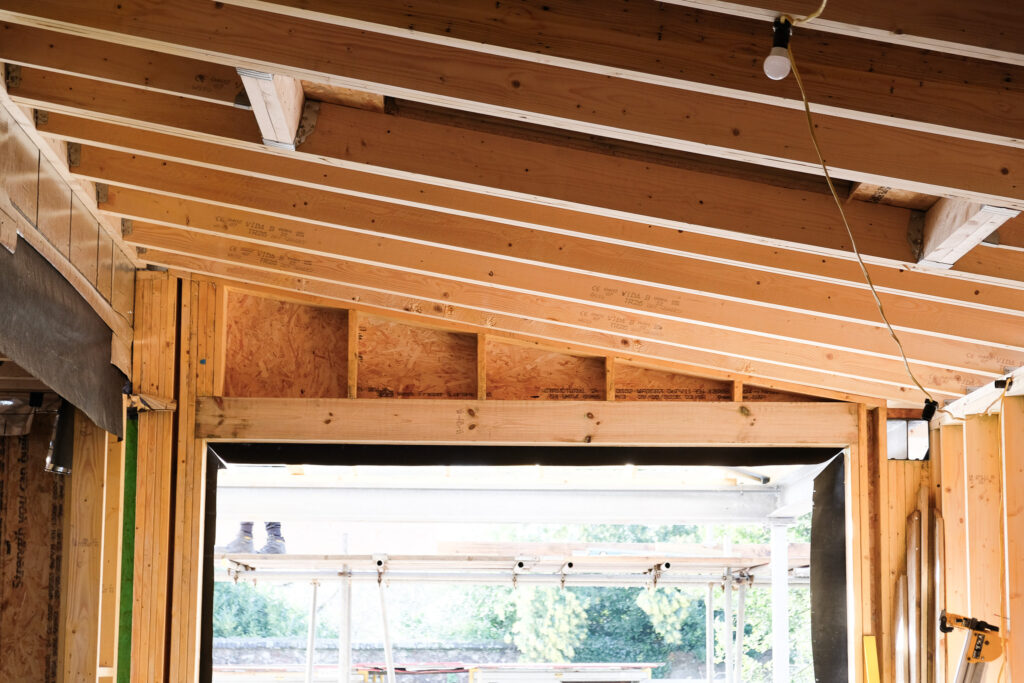
Key Classes in a Timber Frame
UC1 – Internal, dry.
Typical panel elements
Internal wall studs
Internal rails and noggins
Upper floor wall framing
Roof structures within the thermal envelope
Key point
These elements sit in heated, dry conditions for the life of the building. Over-treating them offers no performance benefit and can introduce unnecessary cost and chemical loading.
UC2 – Internal, occasional moisture risk.
Typical panel elements
Sole plates
Ground floor wall studs
Panels adjacent to ventilated voids or garages
Key point
This is one of the most important use classes in timber frame. These elements are not exposed to weather, but they are at risk of intermittent moisture — particularly during construction and early occupation.
Correct UC2 treatment is essential here.
UC3 – External, above ground (temporary exposure risk)
Typical panel scenarios
Panels during erection
Panels awaiting roof or cladding
Rainscreen-backed external wall panels
Key point
Timber frame panels are often temporarily exposed during construction. Good design assumes:
Correct sequencing
Temporary weather protection
Fast enclosure
Use class selection must reflect service life exposure, not poor site practice — but site realities still need managing.
Summary
Timber use classes are not a paperwork exercise.
In timber frame panels, they are a core design decision that affects:
Durability
Compliance
Cost
Confidence on site
Specify timber frame panels correctly, protect them properly during construction, and timber will quietly do its job for decades.
Planning a project?
Early coordination leads to better frames and smoother installs. We're here to support with costings, technical input and client guidance.
Start a ConversationSee Our Work
We have a portfolio of projects that we have successfully delivered, across the South West.
Go To Projects